
2027 Leadership Candidates
SPA members can submit their ballot between September 16–October 15!
As an active paid member of SPA, you will be able to submit ONE ballot to vote for future Representatives at-Large. If you have any questions regarding this ballot, please contact our office at info@personality.org. Click here to submit your ballot.
Vote Here
Reminder: Non-members are not eligible to vote.
Any votes cast by non-members will not be included in the final tally.
Representative-at-Large
Candidates listed in alphabetical order by last name.
 Joye Anestis, PhD
Professor- Department of Health Behavior, Society, & Policy
Rutgers School of Public Health
I was honored to be appointed by the Board in 2026 to fill a one-year vacancy as Representative-at-Large, and I am running to now complete a full three-year term in this position. SPA has been instrumental in shaping my professional identity, and I feel privileged to contribute to its continued growth and innovation. For my one-year 2026 term, I was assigned to chair the brand-new Committee on Academic Partnerships (CAP). CAP’s charge is to “serve as the central body for building relationships with higher education institutions to advance the accessibility and quality of personality assessment education and training.” Working with committee members, we adopted a data-driven approach to identify unmet needs and ensure responsible stewardship of SPA resources. We secured Board funding to conduct a needs assessment of health service psychology doctoral program training directors. Data collection is underway, and findings will guide CAP’s first training initiative in 2027. I would welcome the opportunity to carry this work forward through a full three-year term.
My recent Board service builds on a longstanding commitment to SPA and to the advancement of personality assessment. This is reflected in seven years on the JPA editorial board, including six years asAssociate Editor; service on the Convention Program Committee; and longstanding contributions as a conference and travel scholarship reviewer. My broader contributions to the field include a robust assessment-related publication record, assessment-related external research funding, service on the editorial board of other relevant journals (e.g., Consulting Editor, Psychological Assessment), and extensive experience as an ad hoc reviewer.
My academic leadership and clinical supervision experience have also prepared me well for Board service. Across 14 years in academia, I have gained considerable academic leadership experience (e.g., Director of Clinical Training, School-wide Appointments & Promotions committee) making sensitive program/organizational-level decisions. I have also worked extensively on multidisciplinaryleadership teams, including instances where I am often the only psychologist or mental health professional. This work requires strategic thinking, judgment, and collaboration with colleagues from diverse disciplines and with differing perspectives. Combined, these leadership experiences demonstrate a proven history of fiduciary responsibility and a consistent track record of prioritizing organizational and scientific objectives above personal interests, an essential responsibility of Board service.
I am grateful for the opportunity to have served on the Board this year and would welcome the chance to continue that service. If elected, I will bring the same collaborative, data-informed, and mission-focused approach to advancing SPA’s strategic goals, supporting high-quality assessment training, and serving the needs of our members.
What unique value do students offer to SPA?
As someone who has spent much of my career teaching, supervising, and mentoring students and trainees, I have a great appreciation for the unique perspective students bring to professional organizations. Students often have the clearest view of what is working well in training and where gaps remain, and in my experience, students are often more aware of emerging developments in the field. Their experiences offer valuable insight into how SPA can support the next generation of assessment professionals.
Students also bring enthusiasm, curiosity, and new perspectives that help organizations avoid becoming stagnant and encourage growth and innovation. Students ask questions that more established professional might overlook and have important ideas about how assessment is taught, learned, and applied.
Students of course contribute to SPA in meaningful ways, including presenting research, volunteering, serving on committees, and participating in Society activities. More broadly, students ensure that SPA remains responsive to the needs of the next generation of assessment professionals. I believe SPA is strongest when students are viewed not only as future members but as current contributors whose perspectives help shape the Society’s direction.
Please describe an initiative you would initiate to better support student members.
One initiative I would like to advance is the work currently underway through SPA's Committee on Academic Partnerships (CAP). A central goal of the committee is to strengthen personality assessment education and training by building relationships with higher education institutions and identifying unmet training needs.
As CAP's inaugural chair, I have led a needs assessment of health service psychology doctoral training directors to better understand gaps in assessment training and identify the resources programs most need. I would like to use those findings to develop targeted educational initiatives that ultimately benefit students. By first identifying where training opportunities are limited, SPA can invest in resources that are responsive to actual needs and accessible to a broad range of trainees.
Potential efforts could include workshops, educational materials, and other training supports informed directly by the results of the needs assessment. Importantly, these initiatives would be guided by data rather than assumptions about what training programs need most.
I believe one of SPA's greatest opportunities is to expand access to high-quality personality assessment training. Many students have strong interest in assessment but limited exposure to it within their graduate programs. By strengthening training pathways and supporting educational institutions, SPA can have a meaningful impact on students across programs and career stages. If elected, I would be excited to continue this work and help ensure that SPA's efforts are aligned with the needs of future assessment clinicians, researchers, and educators.
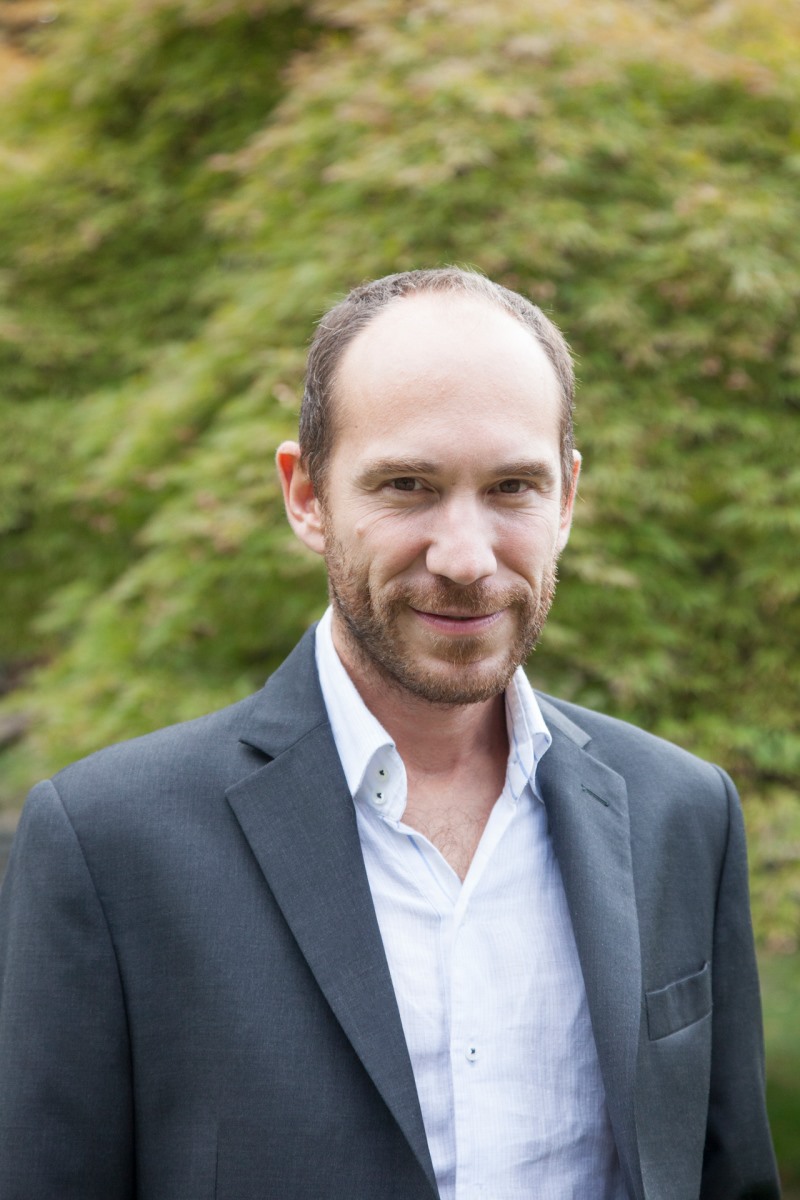 Luciano Giromini, PhD
Professor- Department of Psychology
University of Turin
The Society for Personality Assessment (SPA) has shaped my professional identity in ways that are difficult to overstate. I joined SPA in 2009, after moving to California during my doctoral studies. At that time, I was still trying to find my place in the world of personality assessment, and from the very beginning, SPA offered me not only intellectual direction but also mentorship, encouragement, and a sense of community. During those early-career years, I received a Student Dissertation Grant and, later, the Mary S. Cerney Award. Perhaps more importantly, at SPA conferences I had the chance to meet a number of senior scholars, clinicians, and test authors whose work was shaping the field—and clearly shaped my own development. In this sense, SPA nurtured and guided the professional I am today.
Now, as a Full Professor at the University of Turin and Editor-in-Chief of Psychological Injury and Law, I feel this is the right time for me to try to give something back to the Society. For this reason, I decided to stand for election as Representative-at-Large, with the hope of contributing to the continued growth of SPA as an international, scientifically and ethically rigorous, clinically relevant, and forward-looking community.
One area in which I would hope to contribute concerns the role of SPA at this important moment for psychological assessment. The field is changing rapidly. Scientific collaboration is increasingly international and interconnected; new technologies, including artificial intelligence, are reshaping research, training, communication, and practice; and excellent assessment research is emerging from a wider range of countries and cultural contexts. In my view, SPA should not simply follow these changes. It should help lead them, thoughtfully and courageously, while remaining grounded in scientific evidence, ethical responsibility, and respect for the complexity of personality assessment.
In this spirit, I would be interested in helping SPA explore new ways to facilitate collaborative research. Inspired by large-scale shared-data initiatives such as the Human Connectome Project, SPA might consider whether a carefully governed assessment data-sharing initiative could advance research, training, and evidence-based practice. More immediately, SPA could also create structured opportunities to connect clinicians who have rich clinical data and applied questions with students and researchers who have methodological, statistical, and publication expertise.
To this end, I believe my personal background and current research connections could also help me contribute meaningfully to expanding the international reach of SPA. Indeed, my collaborations include colleagues and institutions from the United States, Central and South America, Eastern and Western Europe, Australia, the Middle East, and Asia. And, taken together, these experiences have convinced me that personality assessment grows stronger when researchers, clinicians, educators, and students from different countries and traditions are brought into meaningful dialogue.
If elected, I would approach Board service with preparation, humility, openness, and commitment to collective action and international engagement. My goal would be to help SPA remain an indispensable worldwide resource and advocate for personality assessment while helping the next generation receive the same encouragement and opportunity that SPA once gave me.
What unique value do students offer to SPA?
The most unique value students offer to SPA is that they care about the future of the Society more than anyone else. Those of us who are more established in our careers still have part of our professional future within SPA, of course; but for students, almost all of that future is still ahead. The future of SPA is, in a very real sense, their future; ultimately, it belongs to them. For this reason, their voices should be central whenever SPA makes choices about its long-term direction.
Students are essential to helping SPA remain alive, relevant, and responsive. They often see emerging issues before more established professionals do, because they are closer to new training models, new technologies, new methodological tools, and the concerns of younger generations entering the field. In addition, they bring questions that can challenge assumptions, enthusiasm that can renew collective motivation, and openness to interdisciplinary and international collaboration.
In my view, students are not simply the future of SPA; they are already part of the intellectual and professional vitality of the Society. Supporting them means supporting the long-term health of personality assessment itself. If SPA wants to remain an indispensable resource and advocate for personality assessment, it must listen carefully to students, involve them meaningfully, and create opportunities for them to contribute not only as learners, but also as colleagues whose perspectives can help guide the future direction of the Society.
Please describe an initiative you would initiate to better support student members.
One initiative I would be excited to explore is a structured SPA research-connection program designed to bring together clinicians, academics, and students. The idea comes from a previous experience I had while working on a psychological assessment instrument. I noticed a recurring challenge in assessment research: many clinicians had access to rich clinical data and important applied questions, but often had limited time or statistical support to transform those data into research publications. At the same time, many academics were eager to conduct clinically meaningful research but did not always have access to clinical data. I therefore tried to help connect clinicians willing to contribute data with researchers willing to analyze those data and develop publications.
I believe SPA could create something similar, with students playing a central role. A structured program could connect clinicians with clinical data and practice-based questions; academics with methodological, statistical, and publication expertise; and students who are eager to gain experience with real-world assessment data, clinical questions, and research collaboration. Students could serve as the “enzymes” that make these collaborations work: helping organize projects, review literature, prepare datasets, participate in analyses, draft manuscripts, and maintain communication among busy clinicians and academics.
Such an initiative would benefit everyone involved. Clinicians would receive support in transforming valuable clinical observations into scientific contributions. Academics would gain access to practice-relevant research questions and data. Most importantly, students would receive mentorship, hands-on research experience, exposure to clinical realities, opportunities for publication, and meaningful professional connections. In this way, SPA could support students not only through advice and encouragement, but by helping them become active contributors to the future scientific and clinical development of personality assessment.
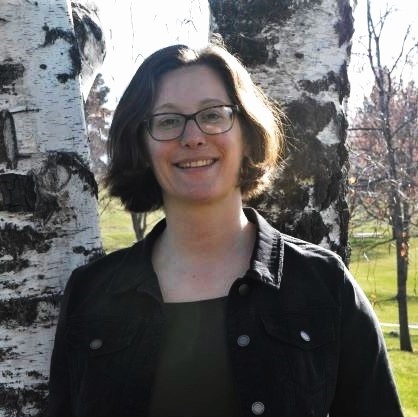 Mac Murphy, M.S.
Doctoral Candidate
Washington State University
For those whom I have not yet met, my name is Mac Murphy and I am a sixth-year graduate student at Washington State University. My path to psychology has been non-linear: I received a bachelor's degree in engineering from Dartmouth College and worked in macroeconomic research and recruiting strategy at Bridgewater Associates. My primary research interests include the impacts of childhood trauma, delinquency and externalizing traits in adolescence, as well as the integration of advanced statistical methods and technology (e.g., smartwatches, virtual reality) into interdisciplinary research. Clinically, I am interested in pediatric health psychology and psychological assessment for children with co-occurring medical conditions.
I have greatly valued my service experiences in SPA over the past three years and would be honored to deepen my involvement by serving on the Board as a Representative-at-Large. I first discovered SPA through attending Dr. Adam Natoli’s machine learning summer school in 2023, which inspired me to attend the 2024 convention. Although I came to the convention alone, I immediately felt welcomed by the SPA community and quickly developed strong connections with individuals from all career stages. SPA has been my professional home ever since.
After the convention, I became more involved with Society governance and have enjoyed using my background in corporate recruiting to support the Professional Development Committee. As a student representative, I proposed and co-developed a structured review system for applications to increase objectivity and align candidate evaluation with Board-identified competencies. This system has been used over the past two election cycles and reflects both my openness to feedback and my commitment to using problem solving to strengthen SPA’s processes. I have also served on committees for other national professional organizations, including the American Psychology-Law Society and APA Division 5 (Quantitative and Qualitative Methods).
I also take my current role as a student member of SPA seriously and strive to represent a group that has often discussed feeling uncertain about how to have a voice in the larger Society. I work to bridge this gap both visibly (e.g., through my committee work, speaking in public fora) and behind the scenes (e.g., creating connections between students and professionals) so that students feel more connected to SPA. Especially now– as we consider a name change and reflect on our scope within the broader personality and assessment landscape– I hope to normalize student engagement in conversations about the future of SPA. Such engagement provides students with professional growth opportunities not often found within their academic programs while challenging SPA to integrate the experiences of those in the trenches of training.
I would spend my Representative-at-Large term transitioning from student to intern to early career professional and could therefore represent individuals at some of our profession’s most consequential transition points. I hope to help SPA remain responsive to members at different career stages while strengthening connections among students, early career professionals, and established members. I would be honored to bring this perspective to the Board and help strengthen the Society for its current and future members.
What unique value do students offer to SPA?
As a current graduate student, I have loved seeing firsthand the many unique contributions my peers make to SPA. Students bring deep passion for personality assessment, along with novel perspectives and innovative ideas for both research and practice. They are unafraid to ask questions and challenge the status quo (and often ask the hardest questions at conference presentations!). They are also frequently on the front lines of efforts to diversify our field and ensure that assessments are conducted in ethical and culturally sensitive ways.
Perhaps most importantly, student members represent the future of SPA and the field of assessment psychology. They will help shape how our field approaches assessment literacy among doctoral-level clinicians, perceptions of assessment psychologists among medical colleagues and the public, and the integration of emerging technologies into assessment practice. Creating a culture of collaboration between student and professional members will not only ensure that students’ perspectives inform SPA today, but also prepare them to navigate these challenges and contribute meaningfully to the future of psychological assessment.
Please describe an initiative you would initiate to better support student members.
A primary reason that I am running for Representative-at-Large is to strengthen the connection between SPAGS and Society governance. As an elected member of the Board, I hope to work with SPAGS members to increase collaboration with the Board and create additional avenues for students to share their ideas. I am particularly interested in initiatives that provide career-stage-specific training and community and encourage continued participation for student members as they navigate career transitions (e.g., undergraduate to graduate school, graduate school to early career).
One possible initiative would be to create small groups of students at one of these career transition points, each paired with one or two mentors. Groups could meet throughout the year for professional development didactics and conversations tailored to their career stage (e.g., for undergrads: writing application materials for grad school, preparing for interviews, managing the transition to your first year of grad school). These groups would also provide a built-in community for more casual conversations and peer support. This structure could would also help connect students with established SPA members and build relationships that keep students connected to the Society as they move through their careers.
I would also like to create a database of graduate programs, internships, and potentially postdoc positions with significant focus in personality assessment. This resource could help students make more informed decisions about where to apply and highlight the breadth of work in personality assessment. The Society of Pediatric Psychology has a similar initiative, which I personally found very helpful and could serve as a useful model for SPA.
 Adam Natoli, PhD
Assistant Professor of Quantitative and Clinical Psychology
Montclair State University
My name is Adam P. Natoli, Ph.D. and I am enthusiastic to have been nominated for the position of Representative-At-Large on SPA’s Executive Board. I am confident that my history of service and experience in the field of assessment, combined with my dependability and organizational skills, make me an ideal candidate to serve in this position. I am a Licensed Psychologist and Assistant Professor of Quantitative and Clinical Psychology at Montclair State University. My program of research investigates all aspects of measurement and personality functioning, striving to develop, evaluate, and apply advanced measurement and statistical methodologies to the empirical study of psychometrics, culture’s role in personality functioning and disorders, multimethod assessment and its utility, and applications of Artificial Intelligence (AI) in these domains. Outside of academia, I provide professional consultation services in the areas of research design and quantitative methodology, data analysis, psychological assessment, and other areas of clinical practice where I've worked with clients ranging from individual practitioners to large corporations.
I've been a member of SPA for approximately 13 years, actively contributing to our organization in various roles throughout this time. I began my service to SPA as a Member-At-Large on the Executive Board of SPAGS before being elected SPAGS President and joining the SPA Executive Board in that role. Subsequently, I co-Chaired SPA's Education and Training Interest Group between 2019 and 2025, served on SPA's convention planning committee between 2021-2023 before taking on the position of co-Chairing the committee for the 2024, 2025, and 2026 annual meetings, and have been involved in myriad other ways (e.g., served on SPA's Early Career Advanced Training Program Committee, Leadership Council, and AI Taskforce). Outside of SPA, I am a Representative on APA's Committee on Psychological Tests and Assessment, an Associate Editor of Assessment and Consulting Editor for the Journal of Personality Assessment, and I previously served as the Treasurer for Division 12 (Assessment Section) of APA. My reputable history of service, commitment to the field of assessment, strong communication and organizational skills, and the aptitudes I have developed through my service experiences will make me a successful Representative-At-Large. Thank you for considering me for this important position.
What unique value do students offer to SPA?
Firstly, I applaud SPAGS and all student members for their strong involvement in all corners of SPA – the inclusion of these questions for potential SPA Board Members is a testament to your tenacity and value to SPA. To be blunt, I don’t believe SPA would be the successful and welcoming organization it is, nor would our annual meeting be as enjoyable if it weren’t for student members. Aside from the energy, innovative ideas, diversity of perspectives, and dedication that student members consistently bring to our community, I think one of the most unique and valuable contributions students make to SPA is holding the organization and SPA leadership accountable for our place in and impact on the field of psychology. It was students who brought attention to different barriers members had attending conferences, students advocated for the specific recognition of research focusing on historically understudied populations, and it’s frequently students who have told us about important gaps in conference programming that would help them gain the training they’re not receiving in their graduate programs. Like I said, I don’t believe SPA would be what it is without student members becauseyour contributions are invaluable.
Please describe an initiative you would initiate to better support student members.
Over the years, I’ve noticed a slowly growing number of undergraduate students attending SPA’s annual meeting… I don’t want that growth to remain slow. I think a great way to better support student members is by getting them involved in SPA earlier, by creating initiatives that more intentionally introduce SPA to undergraduate students, aim to connect interested undergraduate students with current SPA members for mentorship and collaborative opportunities, and facilitating their attendance at our annual meeting. I don’t know the form(s) these initiatives would take or what resources SPA can leverage in increasing undergraduate student membership, but I would like achieving this goal to be a collaborative effort between SPAGS and the SPA Board. I’m confident we’ll be successful.
 Sharon Nelson, PhD
Assistant Professor of Psychology
Pennsylvania State University, Harrisburg
I am honored to be considered for the SPA Board of Directors. Personality assessment has been an important part of my professional life, but getting here was not a particularly traditional path. I went back to school as an adult, coming from a low-income background while also raising children and caring for an adult brother with disabilities. I know what it feels like to enter a professional community without always knowing the language, the people, or the unwritten rules. The mentors and colleagues who made room for me along the way have had an enormous impact on my career, and that experience has shaped the kind of professional community I want to help build.
My work sits at the intersection of clinical assessment, personality pathology, mental health outcomes, and program evaluation. I am particularly interested in dimensional approaches to personality and in making assessment useful across different settings, including training clinics, health systems, and community-based care. I also care deeply about connecting assessment research with the experiences of the people being assessed. Much of my recent work has incorporated lived experience, qualitative methods, and efforts to reduce stigma surrounding personality pathology.
I would bring to the SPA Board a perspective that bridges research, clinical practice, teaching, and program evaluation. I have worked in academic, VA, and clinical settings, and I value the conversations that happen when people from those different worlds come together. I also care deeply about students and early-career professionals. I benefited tremendously from people who were willing to answer questions, make introductions, share opportunities, and sometimes simply reassure me that I belonged in the room.
I would love to help SPA continue to be a place where students and professionals at different stages of their careers can find those connections. I also hope we can continue broadening who sees personality assessment as a field that is open to them, including people whose educational or professional paths may not look traditional.
If elected, I would approach Board service with curiosity, enthusiasm, and a willingness to listen. I would be excited to contribute to an SPA that is scientifically rigorous, clinically useful, welcoming to emerging professionals, and connected to the people whose lives are affected by our work. Most of all, I would be grateful for the opportunity to give back to a professional community that has given me so much.
What Unique Value Do Students Offer to SPA?
Students bring curiosity, new ideas, and a willingness to question the things the rest of us sometimes take for granted. I think that is incredibly valuable to SPA.
Students are often the people trying out new methods, technologies, and ways of thinking. They are also coming into the field at a time when conversations about diagnosis, dimensional assessment, stigma, diversity, and the role of lived experience are changing. Their questions can help all of us think differently about where personality assessment is going.
Students also bring perspectives that may not yet be represented in established professional networks. They come from different backgrounds, training programs, disciplines, and communities, and they may have experiences that challenge our assumptions about who personality assessment is for and how it should be practiced.
I also think students bring energy and enthusiasm, which is such an important part to making sure an organization like SPA remains invigorated.
My own path into psychology was not traditional. I know how meaningful it can be when someone in a professional community takes you seriously, answers a question, introduces you to someone, or encourages you to apply for an opportunity you did not think was meant for you. Being a member of SPAGS was hugely important to my professional growth. Students should not just be viewed as future SPA members. They are already part of the organization and have a great deal to contribute to it now.
I would love to see SPA continue creating meaningful opportunities for students to have a voice, build relationships, and shape the future of the field.
Please describe an initiative you would initiate to benefit SPAGS members.
I would first want to talk with SPAGS members before proposing a specific initiative. If I were going to serve our students, it would be important to listen to what students actually want and need before deciding what would be helpful. I would want to hear what kinds of professional development, mentoring, networking, and connection opportunities students feel are missing and then think together about what SPA could realistically provide.
One possibility I would be interested in exploring is a low-resource, virtual mentoring and professional development series. In a previous role as the Learning Core Lead for a VA Center for Evaluation and Implementation Resources (CEIR), I developed and facilitated a national virtual professional development and mentoring group. We met monthly in an informal "brown bag" format, which gave people an opportunity to learn from one another, talk about professional development topics, ask questions, and build connections across sites. Because the format was informal and virtual, we were able to cover a wide range of topics while also creating space for networking and mentoring relationships to develop naturally.
I would be interested in exploring whether something similar would be useful to SPAGS. It could provide a relatively simple way for students to connect with one another and with SPA members around topics they identify as important, without requiring a large new program or significant resources.
Ultimately, though, I would want the initiative to come from SPAGS rather than simply being something I decide students need. My hope would be to listen first, work with students to identify what would be both useful but also implementable, and then help SPA turn those ideas into something practical.
 Pamela Schaber, PhD
Licensed Psychologist
Center for Therapeutic Assessment
I am interested in serving on the SPA Board of Directors because I have been an active member of the SPA community for over 20 years, and I am honored by the opportunity to give back to an organization that has profoundly shaped my professional development. This is an especially dynamic and challenging period for personality assessment, and I am eager to contribute to discussions about how we can preserve, strengthen, and expand its role within both professional practice and training programs.
My experience with SPA has been multifaceted. For the past four years, I have served on the Conference Planning Committee, collaborating with colleagues to develop programming that is innovative and responsive to the evolving needs of our field. I also regularly volunteer for mentorship initiatives at the SPA conference, supporting students and early career psychologists as they navigate their professional journeys.
In addition, I have served as co-chair for the last two international Collaborative/Therapeutic Assessment Conferences (2021 and 2025), where I was responsible for planning, organizing, and executing all aspects of the event. These roles have provided me with valuable experience in leadership, organizational governance, and community engagement, all of which align closely with the responsibilities outlined for SPA Board positions.
As practicing psychologists and trainers of future psychologists, it is our responsibility to broaden the scope and reach of psychological assessment to benefit and support individuals from diverse backgrounds. Throughout my years in practice, I have witnessed firsthand how psychological assessment can inadvertently cause harm, particularly to those from marginalized communities. These experiences have reinforced my commitment to critically examining assessment practices and striving to mitigate their potential negative impact. Guided by the values of Therapeutic Assessment—respect, compassion, humility, curiosity, collaboration, empathy, and openness—I endeavor to create an environment where assessment is not only a tool for understanding but also a means of fostering healing and empowerment. I actively reflect on my own biases and work to ensure that my approach is culturally responsive and inclusive. By centering diversity, inclusion, equity, and justice in my work, I aim to challenge traditional paradigms, advocate for systemic change, and contribute to the development of assessment practices that are accessible, fair, and supportive for all individuals. As SPA moves forward, I am committed to advancing these principles within the organization and the broader field, ensuring that psychological assessment evolves to better serve and uplift diverse communities.
I am enthusiastic about the possibility of contributing to SPA’s ongoing work, supporting its mission, and helping to ensure that personality assessment remains relevant, accessible, and impactful in the years ahead.
What unique value do students offer to SPA?
Graduate students bring a vital energy and fresh perspective to the Society for Personality Assessment (SPA). By introducing contemporary training, diverse ideas, and a genuine enthusiasm for learning, they keep our community dynamic and prevent our field from becoming stagnant.
 Martin Sellbom, PhD
Professor of Psychological Sciences
Monash University, Melbourne
SPA has been my professional home for 25 years, since I attended my first annual meeting as a graduate student. Much of what I have accomplished since traces back to relationships and opportunities that began in this Society, and I would be honoured to serve it on the Board of Directors.
A good deal of my service to SPA has already been on the Board. I have been Editor of the Journal of Personality Assessment since 2018 and served on the Board as an ex officio member throughout that time. I step down as Editor at the end of this year, after 8.5 years of service, and I would welcome the chance to contribute in an elected capacity. I was also the first elected President of SPAGS, where I successfully advocated for voting rights for the SPAGS President on the Board, and I have served on numerous SPA task forces and committees over the past two decades. I was involved in developing the current strategic framework from the outset and have used the journal to advance it directly, including special issues on DEISJ and the utility of personality assessment.
I bring leadership experience from beyond SPA as well: former Treasurer and President of the APA Division 12 Assessment Section, past Executive Board member and Membership Chair of the Society for the Scientific Study of Psychopathy, current Executive Board member of the HiTOP Society, and since 2021, co-founder and Vice President of the Asia-Pacific Association for Research and Treatment of Personality Disorders, which I helped build from the ground up to nearly 200 members across 12 countries. I have co-chaired the annual MMPI Research Symposium for 15 years and served as Director of Clinical Training at two universities across two different countries.
Three priorities would guide my service. First, internationalisation. I am one of relatively few SPA board members based outside North America, and I have seen first-hand how much appetite exists for personality assessment across the Asia-Pacific, Europe, and elsewhere. Growing our international membership, and ensuring those members are represented in leadership would enrich the Society scientifically, clinically, and financially. Second, the future of assessment training. Assessment coursework and supervised experience are being squeezed in many doctoral programs. SPA is uniquely positioned to fill that gap through year-round education, particularly in accessible virtual formats for members who cannot travel. Third, a strong commitment to equity, diversity, and inclusion. As Editor I diversified the editorial board across gender and geography and commissioned scholarship reflecting a broader range of perspectives. I would bring that same approach to Board decisions.
I would be both humbled and grateful for your vote.
What unique value do students offer to SPA?
Students are not simply the Society's future membership, which is something I often hear said. They are a substantial part of SPA’s present. Students produce a large share of the research presented at the annual meeting and published in our journals. New psychometric approaches, dimensional models, and emerging technologies tend to reach our field through students before they reach established practitioners. Students also inspire us older folks to think more critically about what we do and how we do it. Without such inspiration to evolve, we will remain stagnant.
Students also give SPA something it cannot get anywhere else, which is an accurate picture of what assessment training actually looks like today from their perspective. Board members and senior SPA members are working from the programs in which we trained or teach. Students are living the current reality of shrinking assessment coursework, variable supervision quality, and internships that may or may not value psychological testing. If SPA wants to defend and strengthen assessment training, students are our best evidence base on where improvements are necessary.
Finally, students are SPA ambassadors. Every student member sits in a program where colleagues and faculty are forming views about whether personality assessment is worth their time. A well-supported student member is the most effective advocate SPA has in those settings.
I saw all of this directly as the President of SPAGS almost 20 years ago, which is why I argued then for the SPAGS President to hold a vote on the Board. That view has not changed; student voices are critical and should carry appropriate weight.
Describe an initiative you would initiate to better support student members.
I would work with the Board (and perhaps most relevantly, the CE committee) to establish a year-round virtual assessment education and case-consultation series, co-designed with SPAGS and specifically catered to our student members. It would be time-zone friendly, offering this opportunity to all members, regardless of geographical location.
Assessment training is contracting in many doctoral programs, and students increasingly graduate with less supervised testing experience than previous cohorts. Meanwhile, SPA's richest educational offering, the annual convention, is available once a year and requires travel that many students (especially international ones) cannot afford.
The format I have in mind is a monthly session alternating between focused instruction on a specific instrument or issue delivered by an experienced member and case-based consultation in which students present de-identified assessment cases for discussion. Sessions would be recorded to build a library that students can draw on when their own programs cannot supply the content.
I have built similar programming before. At AART-PD I established the association's research-education portfolio from the ground up, including quarterly meetings that consistently draw 40 to 50 attendees and are explicitly designed to promote early-career scholars. That programme works because it is consistent, free, and gives trainees and early career professionals a genuine platform.
Two secondary benefits are also worth highlighting. It gives senior SPA members a method to contribute expertise with minimal burden, and it makes student membership continuously valuable throughout the year, which is the most reliable path to converting student members into career-long ones.